The 110% Rule
The single most important principle when sizing a spill kit is the 110% rule. Your spill kit should be able to absorb at least 110% of the volume of the largest single container in the area it covers. This is not just best practice — it is the baseline expectation under UK environmental regulations, particularly the Oil Storage Regulations 2001 and the Environmental Permitting Regulations.
If your largest drum holds 205 litres, your spill response capacity needs to handle at least 225 litres. That accounts for the full contents plus a margin for rainwater ingress, spread, and the practical reality that absorbents rarely achieve their theoretical maximum capacity in real-world conditions.
Common Spill Kit Sizes
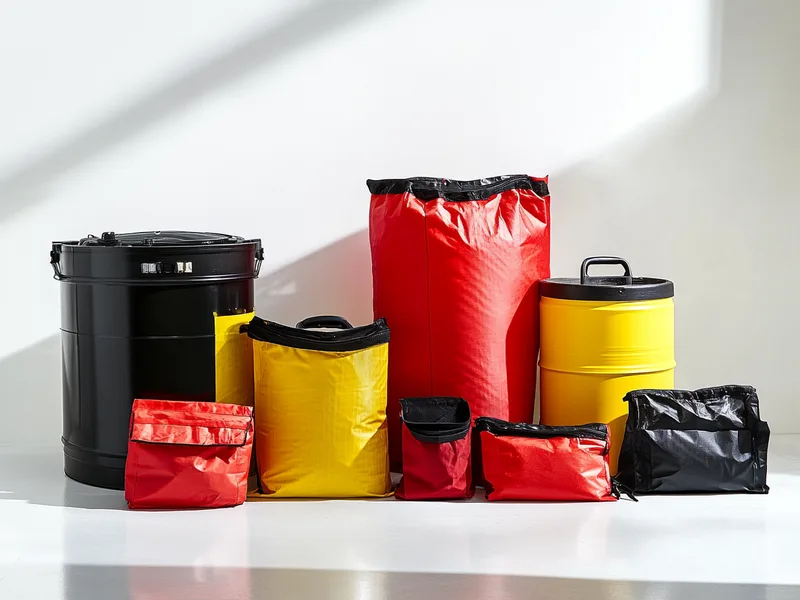
Spill kits are typically available in the following capacities:
- 15–20 litre kits — suitable for small containers, individual workstations, or vehicles. Ideal for spot spills from jerry cans, small drums, or portable equipment.
- 50 litre kits — a good general-purpose size for areas storing a few 25-litre drums or where minor spills are the primary risk.
- 100–120 litre kits — the most popular size for single-drum storage areas. Covers the 110% rule for a standard 205-litre drum when combined with containment.
- 240 litre kits — suited to multi-drum storage or areas where several containers are grouped together.
- 600–1000 litre kits — for bulk storage areas, IBC containment zones, and high-risk industrial environments.
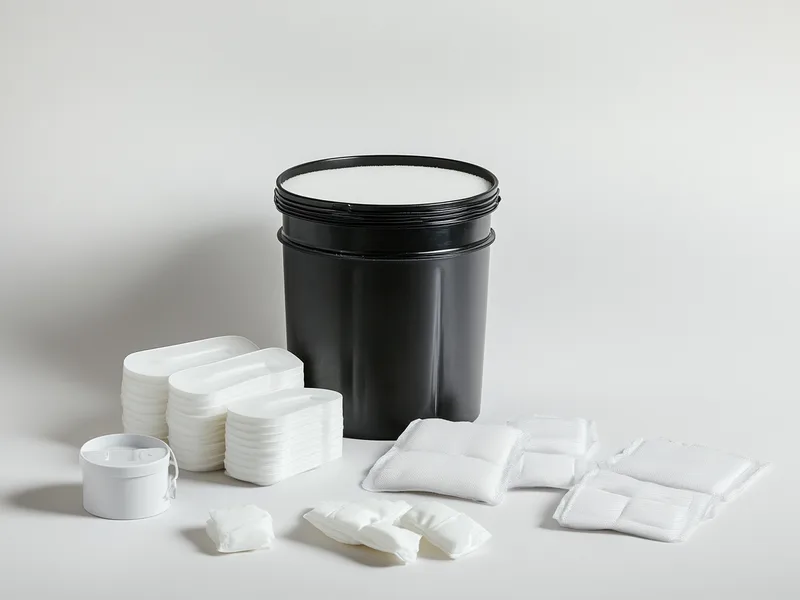
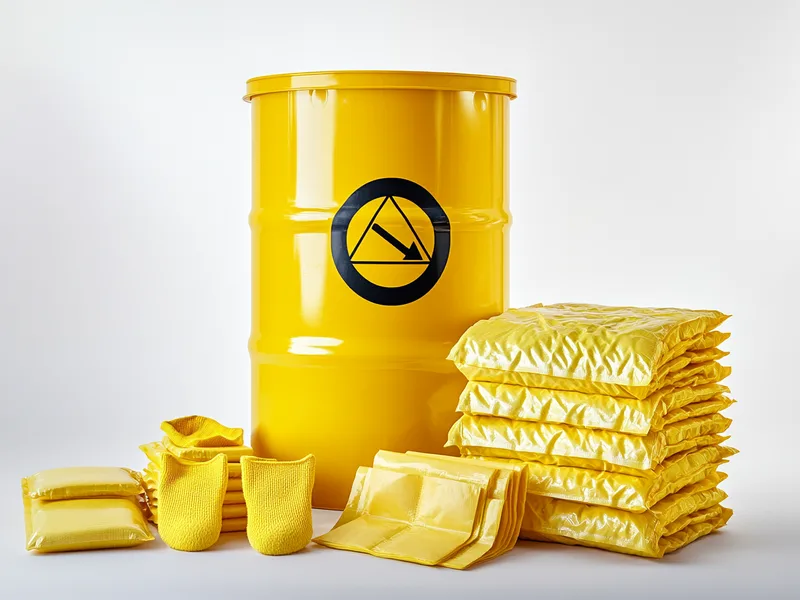
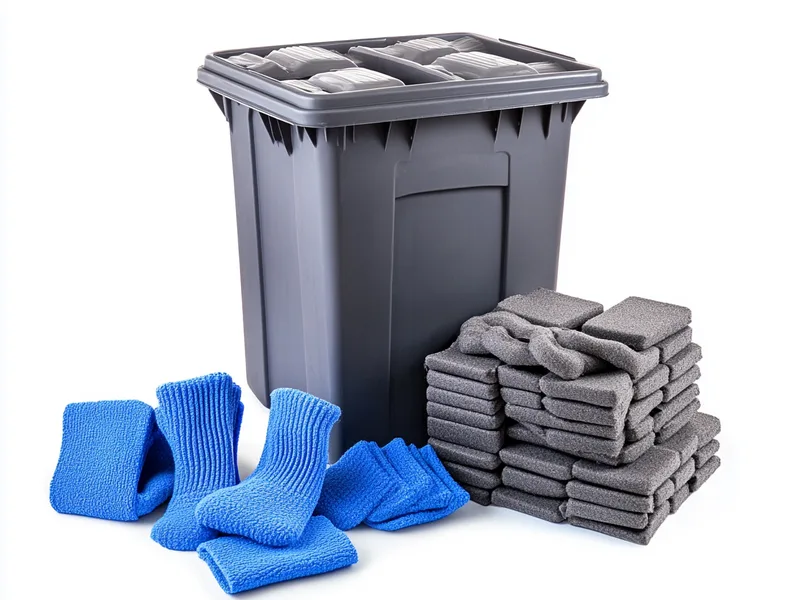
Browse our full range of spill kits to see the sizes available. If you need to top up between full kit replacements, our absorbent pad packs and spill socks are matched to standard kit capacities.
One Large Kit or Several Smaller Ones?
This is one of the most common questions we get, and the answer depends on your layout. A single large kit works well when the risk is concentrated in one area — a bunded storage compound, for example, where all drums are in one place.
But in most real workplaces, spill risks are spread across multiple zones: a loading bay, a machine shop, a chemical store, a waste area. In these cases, several smaller kits placed close to the risk will give you a faster, more effective response than one large kit stored in a corner somewhere.
The goal is to have the right absorbent within arm's reach of the person who discovers the spill. Response time matters — a 20-litre spill that gets dealt with in the first 30 seconds is a cleanup job. The same spill left for five minutes while someone walks to the other end of the building is a reportable incident.
Matching Kit Type to Liquid
Size is only half the equation. You also need to match the kit type to the liquid you are dealing with. An oil-only spill kit will not absorb water-based chemicals. A universal spill kit handles most liquids but is not suitable for aggressive acids or solvents without the correct absorbent chemistry.
If you are unsure which type suits your site, our comparison guide breaks down the differences.
Do Not Forget the Safety Margin
Absorbent capacity ratings are tested under laboratory conditions — clean liquid poured directly onto fresh absorbent. In practice, you will lose capacity to factors like uneven surfaces, mixed liquids, partial saturation from humidity, and the simple fact that nobody wrings out a pad to reuse it mid-spill.
We recommend building in a 25–30% safety margin above the calculated minimum. If your calculation says you need 100 litres of absorbent capacity, specify a 120–130 litre kit. It costs marginally more but dramatically reduces the risk of running short during an actual event.
Need Help Sizing?
If you are not sure what size you need, contact us with a rough description of your site — what you store, how much, and where. We will recommend a kit specification that meets compliance requirements without over-spending.