Choosing the wrong type of spill kit is one of the most common mistakes we see on UK work sites. It is not just a waste of money — using the wrong absorbent can actually make a spill worse, spread contamination, or leave you exposed during an environmental audit. This guide explains the three main types, what each one does, and when to use it.
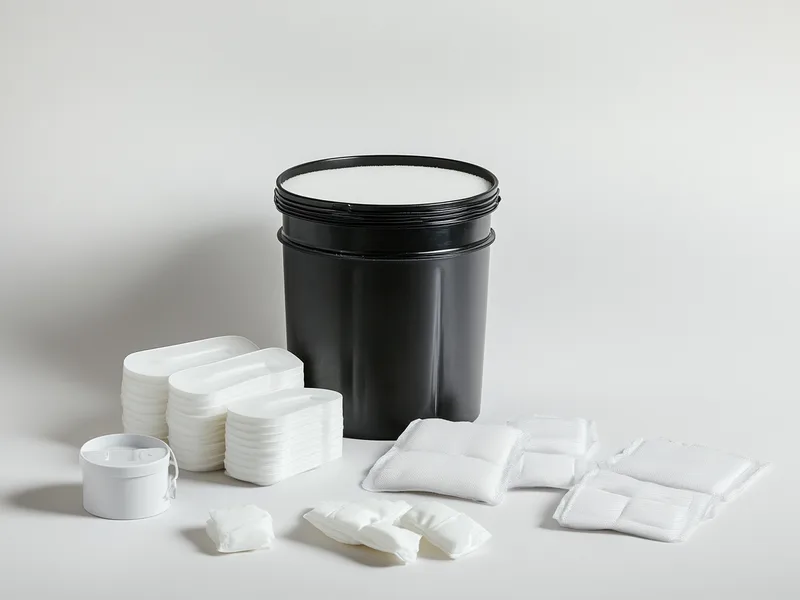
Oil-Only Spill Kits (White)
Oil-only spill kits use hydrophobic absorbents — materials that repel water and absorb only hydrocarbons. This includes engine oil, diesel, petrol, hydraulic fluid, lubricants, and other petroleum-based liquids.
The absorbents in these kits are white, which serves two purposes: it makes the colour-coding immediately recognisable, and it allows you to see the absorbed liquid clearly, which is useful when monitoring saturation levels.
Best for: workshops, fuel storage areas, loading bays, generator compounds, and any site where oil or fuel is the primary spill risk. Because the absorbents float on water and repel it, oil-only kits are also the correct choice for spills on water — drainage channels, interceptors, and bunded areas where rainwater collects.
Not suitable for: chemicals, solvents, coolants, or water-based liquids. The hydrophobic material will simply sit on top of non-oil liquids and absorb nothing.
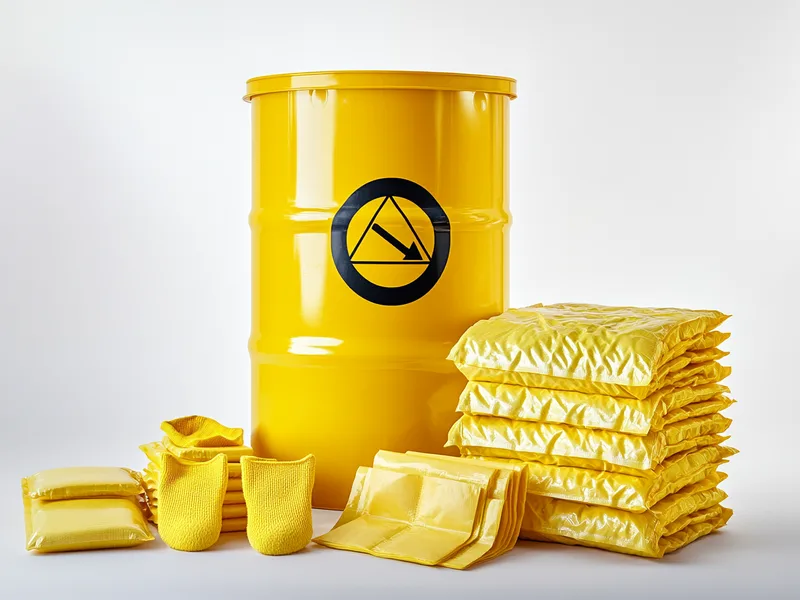
Chemical Spill Kits (Yellow)
Chemical spill kits are designed for aggressive and hazardous liquids — acids, alkalis, solvents, and other substances that would damage standard absorbents or require specialist handling. The absorbents are chemically inert, meaning they will not react with the liquid being absorbed.
These kits are colour-coded yellow — a universal warning colour that signals hazardous materials. In an emergency, this colour coding helps staff identify the correct kit instantly, without needing to read labels.
Best for: chemical stores, laboratories, battery rooms, plating shops, and anywhere you handle substances listed on COSHH assessments. If your risk assessment identifies corrosive, toxic, or reactive liquids, a chemical spill kit is the only appropriate option.
Not suitable for: general hydrocarbon spills where an oil-only kit would be more cost-effective, or low-risk environments where a universal kit provides adequate coverage.
Universal Spill Kits (Grey)
Universal spill kits absorb virtually any liquid — oil, water, coolant, mild chemicals, solvents, and most other fluids found in general industrial environments. The absorbents are typically grey (sometimes blue), indicating their multi-purpose nature.
Best for: mixed-use environments where multiple liquid types are present, or where the specific spill risk is unpredictable. Warehouses, general manufacturing, maintenance areas, and facilities where different teams handle different substances all benefit from universal kits.
Not suitable for: highly aggressive chemicals (concentrated acids, strong oxidisers) where a dedicated chemical kit is required, or situations where oil-only absorbents are needed to selectively remove hydrocarbons from water.
Can You Just Use Universal for Everything?
This is the question we hear most often, and the honest answer is: sometimes, but not always.
Universal kits are genuinely versatile and work well as a general-purpose option. If your site handles a mix of liquids and you want to simplify your spill response, universal kits are a sensible default.
However, there are two scenarios where universal is not enough:
- Oil on water: universal absorbents absorb water as well as oil, which means they saturate quickly and cannot selectively remove hydrocarbons from a water surface. For bunded areas, drains, or outdoor spills, you need oil-only.
- Aggressive chemicals: concentrated acids, strong alkalis, and certain solvents can degrade universal absorbents or cause dangerous reactions. For these substances, use a chemical-specific kit with inert absorbents.
Common Mistakes to Avoid
- Using oil-only pads on coolant spills. The pads will not absorb water-based coolant and the spill will simply spread underneath them.
- Placing one kit type across a mixed-risk site. If you have both oil storage and a chemical store, you need both kit types. A universal kit in the corridor does not replace a chemical kit next to the acid drums.
- Ignoring colour coding. During a spill, people panic. If your kits are not colour-coded and clearly labelled, staff will grab whatever is closest — and that might be the wrong type entirely.
- Over-specifying chemical kits everywhere. Chemical kits cost more than oil-only or universal. If your main risk is diesel and engine oil, do not pay a premium for chemical-grade absorbents you do not need.
How to Decide
Start with your COSHH assessments and risk assessments. Identify what liquids are stored and used in each area. Then match the kit type to the liquid:
If you handle multiple liquid types across different zones, the most effective approach is to deploy the appropriate kit type in each area rather than relying on a single type site-wide. We can help you put together a site-specific specification — get in touch for a recommendation.