Spill kit colour coding exists for one reason: when a spill happens, you do not have time to read labels. The colour of the absorbents, the bin, and the packaging tells trained staff exactly what that kit is designed to absorb — and, critically, what it is not designed for.
White — Oil Only
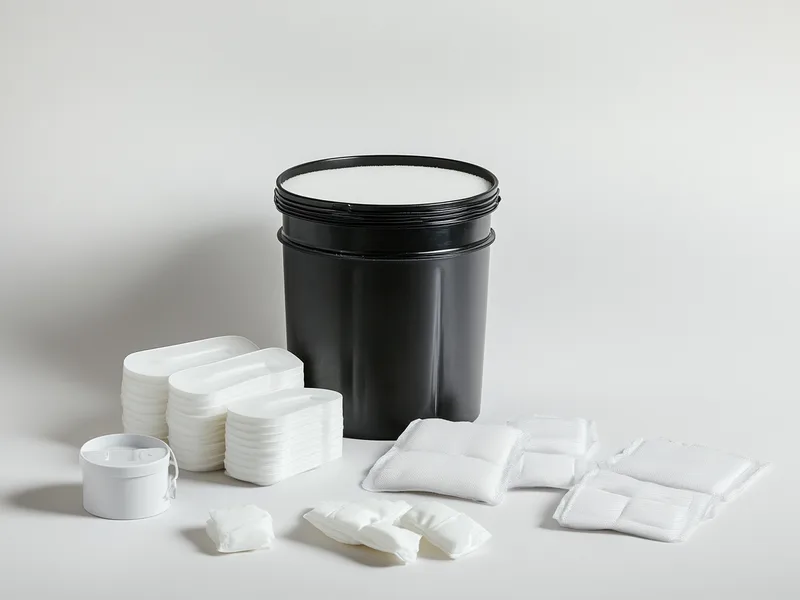
White absorbents are hydrophobic — they absorb hydrocarbons (oil, diesel, petrol, hydraulic fluid, lubricants) and repel water. Oil-only spill kits use white pads, socks, and pillows, and are typically supplied in white or white-labelled containers.
White is the correct choice wherever hydrocarbons are the primary risk and water may be present — bunded areas, loading bays, outdoor storage, and anywhere near watercourses or drainage systems. The water repellency means the absorbent does not waste capacity on rainwater or wash-down water.
Yellow — Chemical
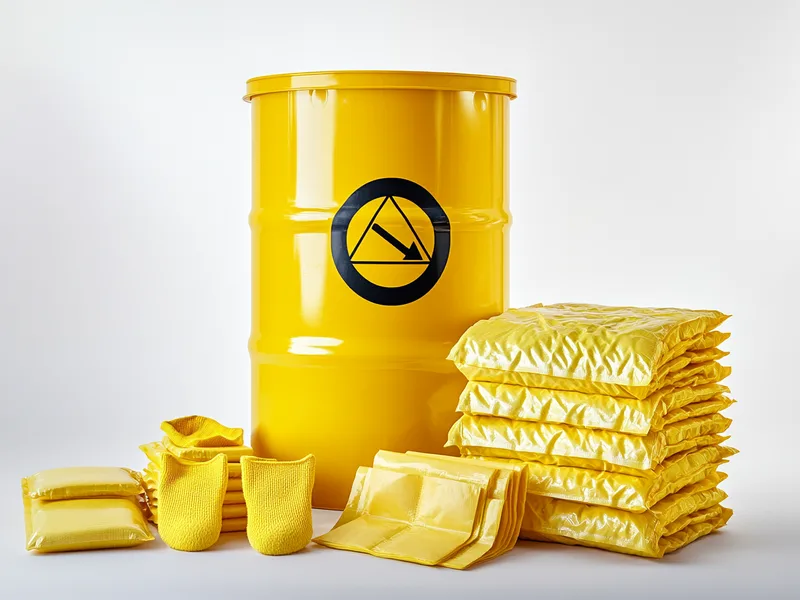
Yellow absorbents are chemically inert and designed for aggressive or hazardous liquids — acids, alkalis, solvents, and other substances that would damage standard absorbents or pose a reactivity risk. Chemical spill kits use yellow-coloured absorbents and yellow containers or lids.
The use of yellow — universally associated with hazard warnings — is deliberate. It signals that the contents are designed for dangerous substances and that additional PPE may be required before handling. If you see a yellow kit, treat the spill as potentially hazardous until confirmed otherwise.
Grey (or Blue) — Universal
Grey absorbents (sometimes blue, depending on the manufacturer) absorb virtually any liquid — oil, water, coolant, mild chemicals, and most other industrial fluids. Universal spill kits are the most versatile option and suit environments where multiple liquid types are present or the spill type is unpredictable.
Grey indicates general-purpose use. These kits are the default choice for mixed-risk areas like warehouses, general manufacturing, and maintenance workshops where several liquid types might be encountered.
Why Colour Coding Matters in Emergencies
During a spill, people work under stress. They may be unfamiliar with the specific liquid involved, particularly if goods have been damaged in transit or if a container has lost its label. Colour coding removes the need to identify the liquid before selecting a response — staff can match the kit to the risk zone rather than to the specific substance.
This is why it is important to deploy the right colour kit in the right area. An oil-only kit next to the diesel tanks. A chemical kit in the battery room. Universal kits in general storage areas. When the colours are consistent and staff are trained to recognise them, response times drop significantly.
Training Tip
Include colour coding in your spill response training. It takes less than five minutes to explain, and it makes a measurable difference during real incidents. A simple rule of thumb to teach staff:
- White = oil and fuel only. Repels water.
- Yellow = chemicals and hazardous liquids. Wear PPE.
- Grey = everything else. General purpose.
Print this as a poster or laminated card and display it next to each spill station. It reinforces the training and provides a reference when it matters most. For a detailed comparison of what each kit type absorbs, see our oil vs chemical vs universal guide.