
Workshops — whether automotive, engineering, or general maintenance — have some of the highest spill frequencies of any working environment. Engine oil, hydraulic fluid, coolant, and cutting fluids are all part of the daily routine, and spills are not occasional events but a regular reality. The right spill kit setup keeps your workshop floor safe, your drains clean, and your compliance in order.
Workshop-Specific Spill Risks
The most common liquids spilled in workshop environments are:
- Engine oil — the most frequent workshop spill by volume. Occurs during oil changes, engine removal, and when draining components. Typically 1–10 litres per incident but can be significantly more from larger engines or storage drums.
- Hydraulic fluid — high-pressure hydraulic systems can release fluid rapidly when hoses fail or couplings are disconnected. These spills are often sudden, covering a wide area in seconds.
- Coolant and antifreeze — water-based and often brightly coloured. Important to note: coolant is toxic and an environmental pollutant. It must not be allowed to enter drains.
- Cutting fluids and metalworking oils — used in engineering workshops on lathes, mills, and grinders. Can be oil-based or water-soluble, which affects the absorbent type needed.
- Brake fluid — a less frequent but particularly problematic spill because it damages paint, rubber, and many surfaces on contact.
Recommended Kit Types
For most workshops, you need two types of kit:
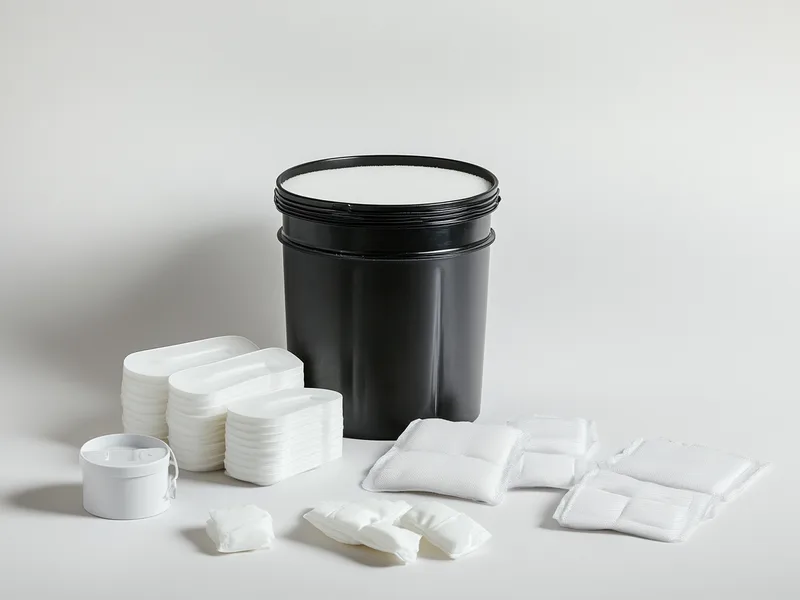
Oil-only kits (white) are your primary choice. The majority of workshop spills are hydrocarbons — engine oil, hydraulic fluid, diesel, and gear oil. Oil-only absorbents are more efficient at picking up these liquids than universal absorbents, and they repel water, which matters if your workshop floor gets wet from cleaning or vehicles dripping rainwater.
Universal kits (grey) serve as a secondary option for coolant, water-soluble cutting fluids, and situations where the liquid type is mixed or uncertain. Keep at least one universal kit in the workshop for these scenarios.
In addition to complete kits, keep a stock of loose absorbent pads at each workbay. Pads are the fastest response option for small drips and minor spills — staff can grab one immediately rather than opening a full kit.
Sizing for Workshop Bays
Workshop spills are typically small to medium — most incidents involve less than 20 litres. A 20-litre spill kit per workbay handles the vast majority of day-to-day spills. This is the single most effective placement: one small kit, right where the work happens, immediately accessible.
In addition, keep a larger kit (50–120 litres) at a central point for bigger incidents — a catastrophic hose failure, a drum that tips over, or a major engine drain that goes wrong. This central kit is the backup, not the first line of response.
If you store drums of oil or fluid (205-litre drums are common in workshops), size your containment and spill response to the 110% rule.
Placement Tips
- One kit per bay. Do not make staff walk across the workshop to reach a spill kit. A 5-litre oil spill on a smooth workshop floor will spread to 10 square metres in under a minute.
- Wall-mounted or on the bench. Floor-standing kits get kicked, moved, and buried under parts. Wall-mounted bins or shelf-mounted containers stay put and stay accessible.
- Near the pit or ramp. If you have an inspection pit or vehicle ramp, place a kit within arm's reach. This is where the largest and most frequent oil spills occur.
- Near the parts washer. Parts washers use solvent or water-based degreaser. Spills from overfilling, splashing, or draining are common and need prompt attention.
- At the door to the yard. Vehicles track oil and fluids in from outside. A kit near the entrance handles drips from vehicles entering the workshop.
Keeping on Top of Restocking
Workshops go through absorbents faster than almost any other environment. Build restocking into your regular supplies ordering — treat absorbent pads and spill kit refills the same way you treat oil filters and gloves. Running out of absorbents mid-week is not just inconvenient, it is a compliance gap. If you need help setting up a regular supply schedule, get in touch and we will work out a restocking plan based on your usage.